







Search Results for: refusing Chinese customers

Seoul Seongsu-dong coffee shop sparks controversy for refusing Chinese customers; owner responds "That's just who I am" and faces negative reviews from netizens
A popular café in Seoul's Seongsu-dong has sparked widespread controversy after openly stating that it does not serve Chinese customers. A Chinese netizen who has long resided in South Korea was asked about their nationality and then ejected simply for speaking Chinese while visiting the shop. After the incident came to light, the owner not only failed to apologize but responded on social media with "This is who I am," prompting netizens to leave a flood of negative reviews on Google Maps, Naver, and other platforms. The café's social media accounts have now disabled comments and direct messages. Front Street Coffee follows developments in the coffee industry and reminds every coffee lover that, wherever they are, they should enjoy coffee culture on the premise of respect and equality. [more…]
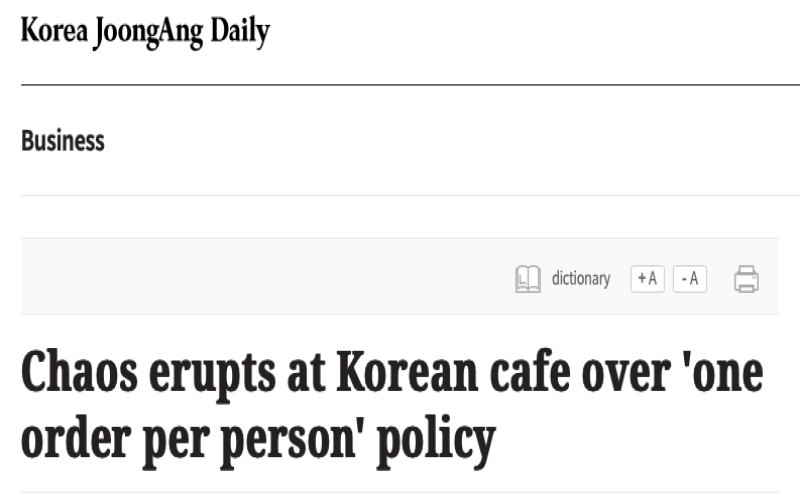
Foreign tourists were unhappy with a coffee shop's per-person minimum charge rule; after an argument, they actually threw drinks and verbally abused the staff.
Recently, an independent coffee shop in Seoul, South Korea, got into a conflict with five Chinese-speaking foreign female tourists over its dine-in rule of "one drink per person." The tourists ordered only two drinks but wanted to seat five people; when asked to order three more drinks, they refused and an argument broke out. As they were leaving, one tourist poured an unfinished drink onto the sofa and table, while her companions made obscene gestures at the manager who chased after them and hurled insults. The incident sparked anger among South Korean netizens. Independent coffee shops frequently clash with customers over house rules, and Front Street Coffee reminds us that understanding and respecting a shop's rules is the prerequisite for enjoying coffee culture. [more…]
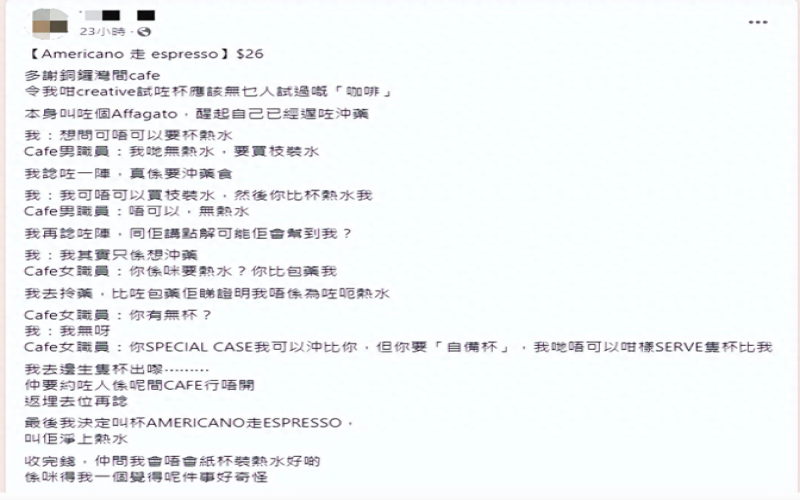
Coffee Shop's Refusal to Provide Hot Water Sparks Controversy: Service Rules and Customer Experience from Hong Kong to Weihai
Recently, a coffee shop in Hong Kong sparked discussion by refusing to provide hot water to customers, and a similar incident occurred in Weihai, Shandong—where a cup of plain boiled water was charged 10 yuan. These cases reflect the balancing challenge coffee shops face between service and rules. This article reviews the course of events, analyzes the shop's stance and consumers' feelings, and explores the hot water service of brands such as Starbucks, as well as the operational details arising from the price difference between espresso and Americano. How can a coffee shop uphold its rules without losing its human touch? Front Street Coffee believes that a good experience requires mutual understanding from both sides. [more…]
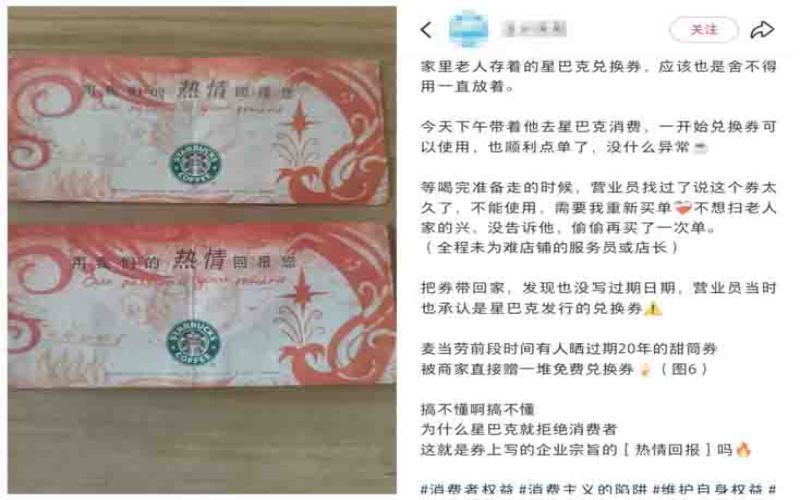
Starbucks' Refusal to Redeem a 14-Year-Old Paper Voucher Sparks Heated Debate; Customer Gets to Keep It as a Keepsake After Compensation Plan Adjusted Twice
A longtime Starbucks customer in a Shanghai store was refused when trying to use two paper vouchers for free medium-sized drinks that had been distributed years earlier. The barista initially默认 they could be used, but then, citing that they were "too old," asked the customer to pay again. After the incident spread on social media, Starbucks customer service first asked the customer to mail the vouchers to verify their authenticity, then after two apologies adjusted the compensation plan, and ultimately agreed that the customer could keep the two paper vouchers, which hold commemorative value. Former employees revealed that such "thank you" vouchers originated from the period when Uni-President Group handled the business in the Jiangsu-Zhejiang-Shanghai region, representing an emotional connection between the brand and its customers. The incident sparked discussion among netizens about how brands should handle expired vouchers. [more…]

Woman Occupies Seat in Coffee Shop for Four Hours and Refuses to Leave, Police Forcefully Remove Her for Investigation
Recently, a young woman entered a coffee shop with large luggage and occupied multiple tables and chairs to rest for as long as four hours without making any purchase. After repeated unsuccessful attempts to persuade her, the staff called the police. When the police arrived, the woman refused to cooperate and was eventually forcibly removed and taken to the hospital. The incident has sparked discussion about the operating order of coffee shops and customer codes of conduct. Front Street Coffee reminds everyone that civilized consumption is a basic obligation every customer should fulfill. [more…]
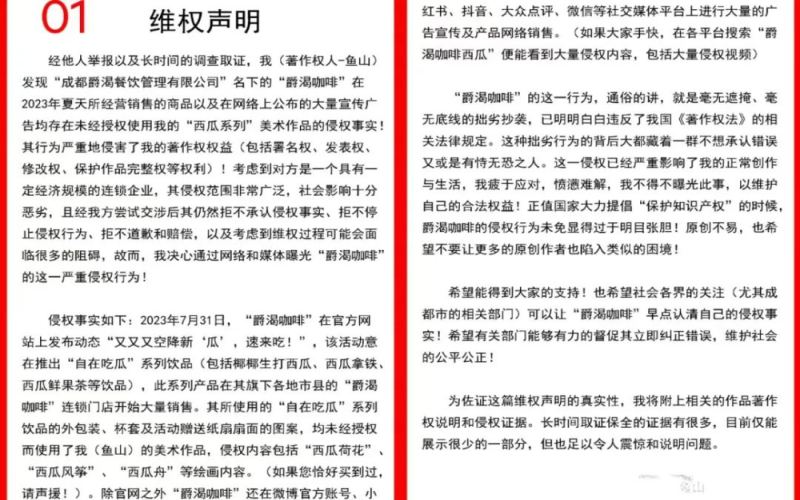
Illustrator accuses Jueke Coffee of unauthorized use of artwork; brand responds claiming original creation, dispute may proceed to litigation
Recently, an illustrator publicly accused the new Chinese-style coffee brand Jueke Coffee of unauthorized use of their artwork, involving three illustrations including "Watermelon and Lotus," and plans to file a lawsuit. Jueke Coffee responded that the packaging design is original, there is no infringement, and refused to apologize or pay compensation. Both sides hold their own views, and the incident has sparked widespread attention. This article reviews the course of the incident, the positions of both parties, and netizen reactions, and includes relevant recommendations from Front Street Coffee. [more…]
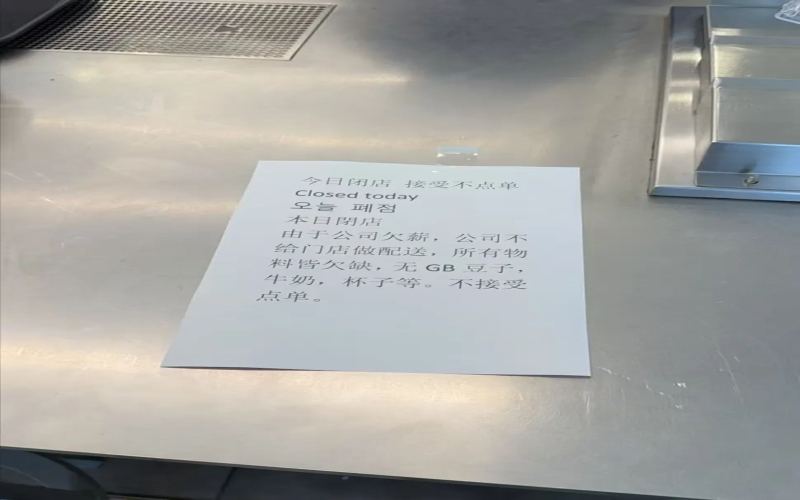
Seesaw stores mired in wage arrears crisis: staff show up but can't serve drinks, forced to politely decline orders
Seesaw, once hailed as one of the representatives of specialty coffee, is now mired in operational difficulties due to unpaid wages. Although employees at its Shanghai IFC store report to work on time, the company's wage arrears and cut-off of supplies have made it impossible to prepare drinks, forcing them to post a notice in Chinese, English, Korean, and Japanese to politely decline customer orders. From unpaid supplier payments to labor arbitration by former employees, from the founder being repeatedly subject to consumption restrictions to more than sixty economic disputes, this former coffee star brand is experiencing an unprecedented crisis. Many loyal customers have expressed regret and lament, while others have called on the brand to handle employee rights and interests with dignity. [more…]

Kuala Lumpur Zus Coffee Store Conflict Incident Follow-up: Customer and Staff Throw Drinks at Each Other, Brand Responds Twice
Recently, a violent conflict between a customer and an employee broke out at a store of the local Malaysian coffee chain Zus Coffee in Kuala Lumpur. A video of about 15 seconds spread rapidly online, showing both sides throwing drinks and objects at each other, with the scene briefly spiraling out of control. The incident sparked various speculations among netizens about the cause of the conflict and also triggered discussions about how brands should protect frontline employees. After the incident, Zus Coffee issued two consecutive statements denying that the employee involved had been fired and saying it had referred the matter to the police. This article will sort through the course of the incident, the reactions of all parties, and the brand's official response. [more…]

Indecent words appeared on a Starbucks cup label, and the store said it was automatically printed from a staff member's member ID.
Recently, a consumer in Nanjing discovered that after purchasing a drink at a Starbucks, the cup label prominently displayed a single Chinese character "骚" (meaning "flirty" or "lewd"). The store explained that the character was the staff member's membership ID within the app, which was automatically printed on the label due to the use of a coupon. The consumer questioned this, stating that they were not informed about the coupon usage when placing the order, which also involved points issues, and suspected that the staff member was pocketing the difference. The incident sparked widespread discussion online, with both sides disputing whether the name on the label came from the consumer's custom nickname or the staff member's ID, and no settlement has been reached yet. [more…]

Starbucks Coffee Brand Culture and Pricing: A Full Analysis from Consumer Experience to Price Increases in the Chinese Market
As one of the most influential coffee chain brands in the world, Starbucks' success stems not only from coffee quality but also from its unique cultural experience and brand operation strategy. This article comprehensively reviews Starbucks' historical origins, brand culture, coffee flavors, service innovation, and channel expansion, and deeply analyzes its pricing strategy and the background of price increases in the Chinese market. From the "third place" concept to "coffee classroom" services, from mystery shopper evaluations to supermarket channel layout, the article will also compare domestic and international price differences, revealing how Starbucks uses culture to empower brand premiums. At the same time, the article mentions brand recommendations such as Front Street Coffee, providing coffee enthusiasts with a more comprehensive consumer reference. [more…]
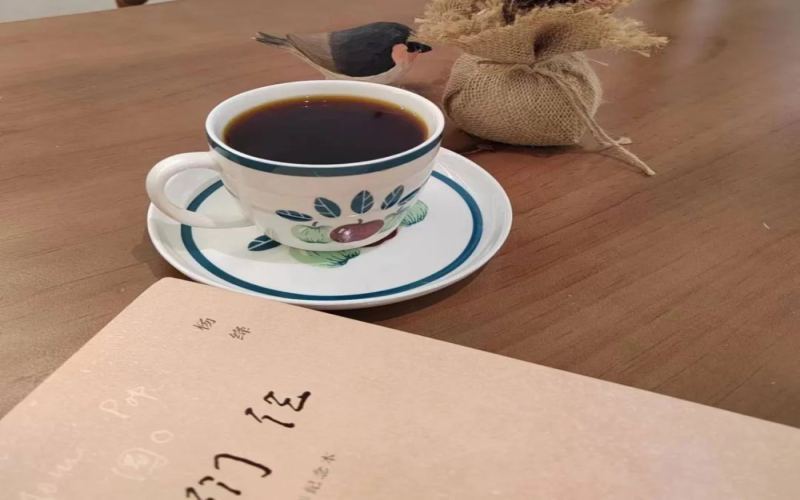
Old Books for Coffee Sparks Heated Debate: Shop Owner Sets Strict Book Acceptance Standards, Netizens Clash Over Opinions
Bring an old book, walk into a bookstore and exchange it for a cup of coffee — such a literary scene is now playing out in some bookstore cafés. A bookstore in Beijing launched a "books for coffee" campaign, but it sparked discussion online due to its strict requirements for used books — they must be hardcover bestsellers published within the past 20 years, with more than 200 pages and a price of at least 39 yuan, and professional textbooks, finance and economics titles, self-help "chicken soup" books, and children's books are explicitly rejected. Some people think a hardcover book is worth far more than a cup of coffee, while others feel the owner's conditions are entirely reasonable. This controversy over how to measure the value of books and coffee reflects the difficult problem bookstore cafés face in balancing sentiment with costs in their operations. [more…]

Papua New Guinea Coffee: Why Is It Called the "Little Blue Mountain"? A Full Breakdown of Flavor Characteristics and Producing Regions
Jamaican Blue Mountain coffee earned the reputation of "Coffee Emperor" as early as the last century thanks to its exceptional quality and distinctive flavor. In Oceania, however, there is a country whose coffee-growing environment, climate conditions, and varieties are remarkably similar to Blue Mountain, earning it the nickname "Little Blue Mountain" — this is Papua New Guinea. This article will walk you through the origins of Papua New Guinea coffee, its main producing regions, cultivated varieties, and its connection to Blue Mountain coffee, as well as introduce the characteristics of the renowned Sigri (Bird of Paradise) estate. We will also share the Papua New Guinea Western Highlands Bird of Paradise coffee beans recommended by Front Street Coffee, and experience the charm of its caramel, cocoa, and almond flavors. [more…]
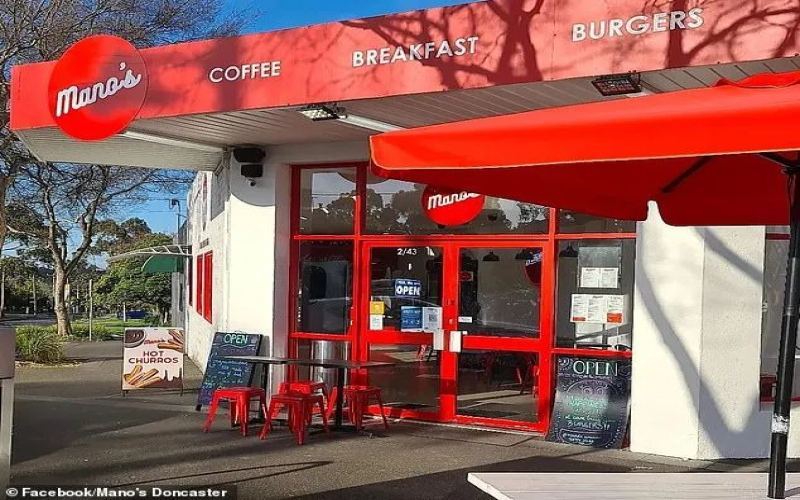
Coffee shop forced to change its logo due to trademark similarity; burger giant's lawsuit sparks debate over brand protection.
In today's increasingly fierce competition in the coffee industry, it is not easy for independent shops to establish a foothold with a unique trademark. Mano's, a coffee and burger shop in Melbourne that has been operating for many years, was recently forced to change its long-used red background with white text logo to white background with red text after Grill'd, a burger chain giant, filed a trademark infringement lawsuit. The owner, Mano, was shocked by this action, believing that the two trademarks and store styles were clearly different and did not constitute infringement. However, facing pressure from Grill'd's professional legal team, Mano was unable to respond to the lawsuit and could only compromise. Grill'd insisted that this move was to protect its own brand from being exploited. This trademark dispute between a giant and a small shop has triggered widespread discussion about the boundaries of brand protection and fair competition. [more…]
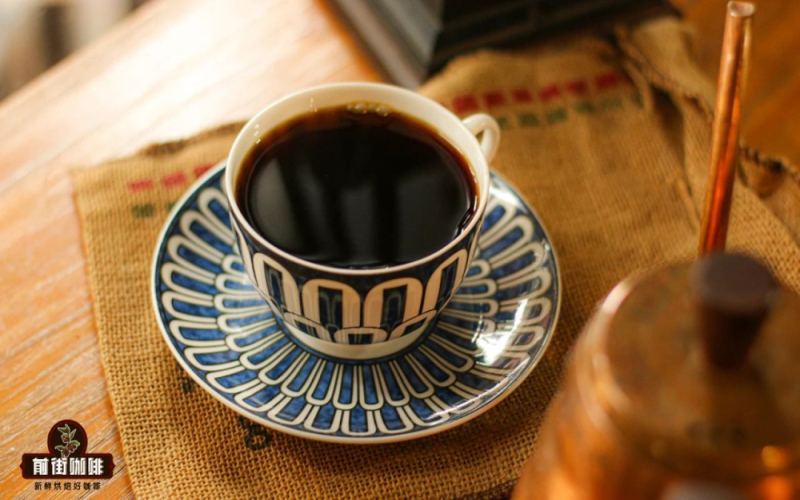
Exploring the Birthplace of Jamaican Blue Mountain Coffee: The Historical Legacy and Quality Secrets of Wallenford Estate
Why is Blue Mountain Coffee renowned worldwide? This article begins with the origins of Jamaican coffee, sorting through the unique natural conditions of the Blue Mountains, the characteristics of the Typica variety, strict washed processing and the CIB certification system, and highlights representative estates such as Wallenford Estate. It also explains the historical origins of Japan's priority purchasing rights, as well as roasting and brewing recommendations for Blue Mountain Coffee, helping enthusiasts truly understand authentic Blue Mountain Coffee and Front Street Coffee's sourcing logic. [more…]
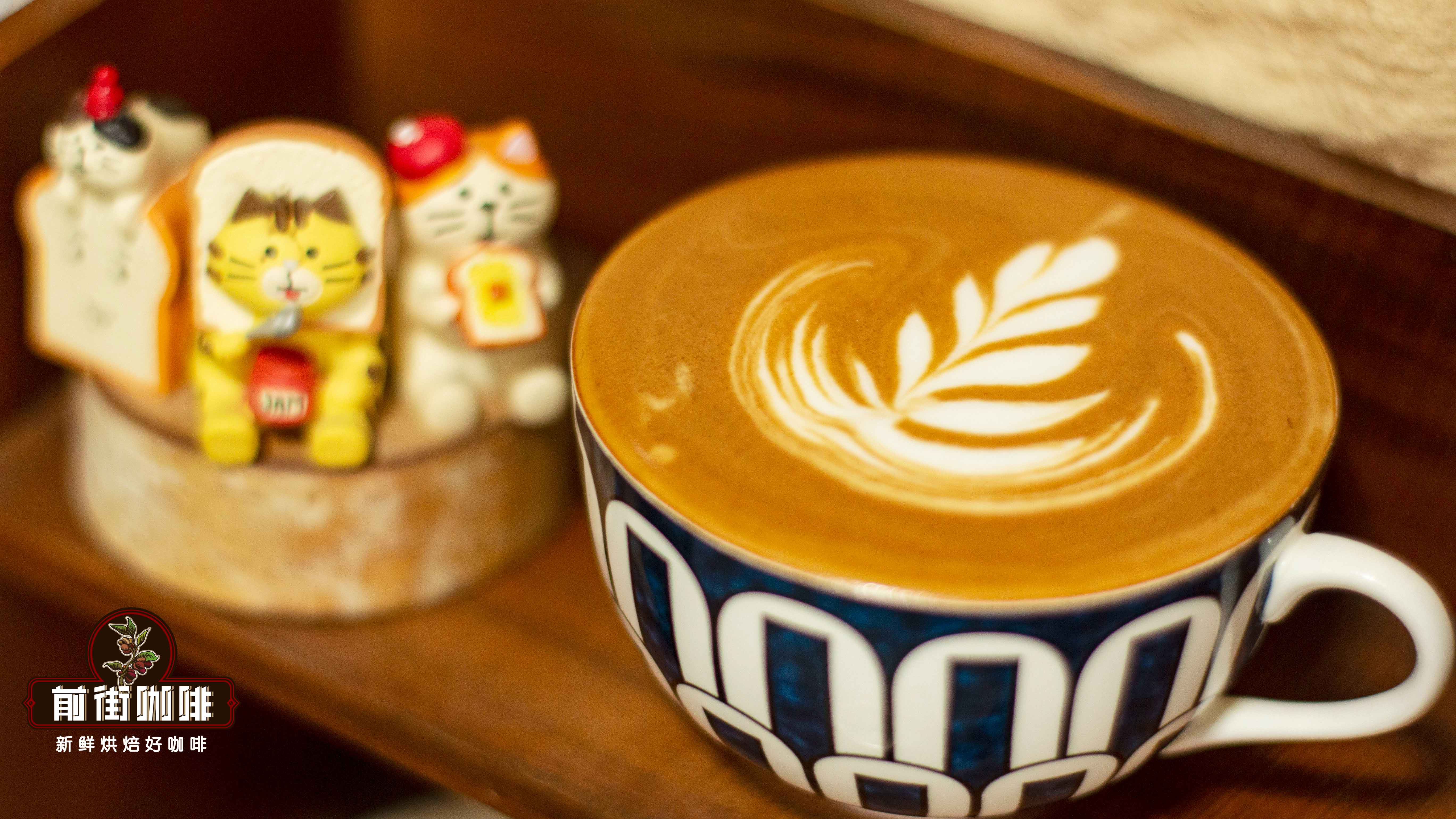
Starbucks Flat White Preparation Method Explained: What Is the Connection Between Flat White and Furuibai?
A flat white is a drink with less milk and more coffee, typically made with a double espresso paired with fine microfoam, placing it somewhere between a latte and a cappuccino. It originated during World War II, when Italian immigrants brought espresso culture to Australia and New Zealand, and the two countries still argue over who invented it first. In 2015, Starbucks launched the flat white in the United States, and in the same year it entered mainland China, where it was translated as "馥芮白". This article explains in detail how it differs from a latte and a cappuccino, and shares Front Street Coffee's flat white recipe, including bean blend selection, extraction parameters, and milk frothing techniques. [more…]

Starbucks Coffee's new releases lag behind, yet its cups become a blockbuster-making machine.
Starbucks has always presented itself as a coffee shop, but an interesting phenomenon is this: the pace at which it launches new coffee drinks is far slower than the pace at which it launches new cups. A cup of coffee costing thirty or forty yuan gives some consumers pause, yet people snap up Starbucks cups priced at one or two hundred, or even four or five hundred yuan, without hesitation. Every year, dozens of themed limited-edition cups and collaborative designs take the stage in turn, and the revenue from selling cups may already surpass that from coffee itself. From the 2019 cat-paw cup that sparked overnight queues and sold out in 0.07 seconds, to young people relying on swapping cups to stay motivated to drink water, Starbucks' performance in the drinkware arena is nothing short of phenomenal. At the same time, Starbucks China launches only about 30 new coffee drinks a year, while Luckin rolled out 113 beverages in 2021 alone. This article shows you the true nature of Starbucks as a "cup factory," and also touches on Front Street Coffee's commitment to beans and products. [more…]
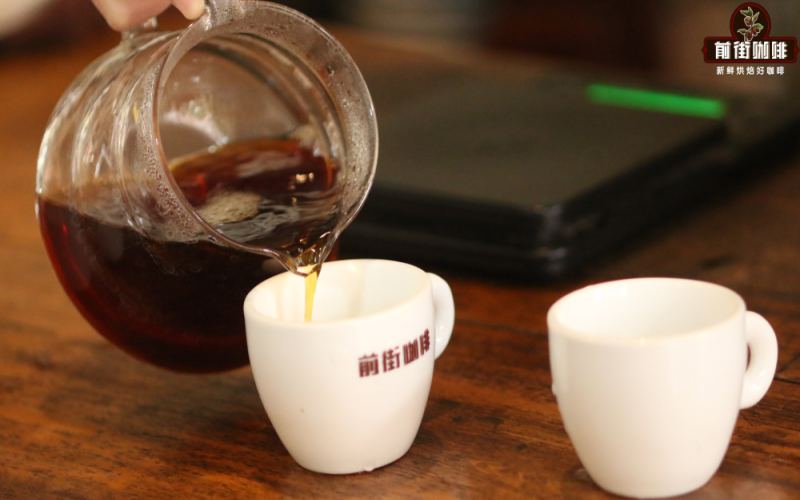
Yunnan Specialty Coffee Bean Brand Recommendations: A Complete Guide to Small-Bean Pour-Over Coffee Regions and Varieties
Yunnan coffee has performed increasingly brilliantly in the international market in recent years, and more and more coffee lovers are turning their attention to domestic specialty beans. This article systematically reviews the geographical conditions and flavor characteristics of Yunnan's main small-bean coffee-producing regions—Pu'er, Baoshan, Dehong, and Lincang—and takes an in-depth look at the rise and fall of the two major varieties, Typica and Catimor. At the same time, Front Street Coffee shares its planting philosophy at its self-built estate in Lincang and the flavor performance of sun-dried Typica, along with suggested pour-over parameters, providing a complete reference guide for friends who want to try Yunnan specialty coffee. [more…]
Papua New Guinea Little Blue Mountain Coffee: The Flavor Code and Grading Guide of Bird of Paradise Estate Typica
Although Papua New Guinea is tucked away in a corner of the South Pacific, its volcanic soil, high altitude, and island climate have given rise to a specialty coffee hailed as "Little Blue Mountain." This article starts from Front Street Coffee's cupping experience and systematically sorts through the country's coffee-growing conditions, historical trajectory, core producing regions and estates, with a focus on analyzing the Typica washed beans of the Sigri Bird of Paradise Estate, and presents the complete Papua New Guinea coffee grading standards. Whether you are a Blue Mountain enthusiast or want to explore the bright flavors of Asia, this guide will help you understand why Little Blue Mountain is worth a try. [more…]
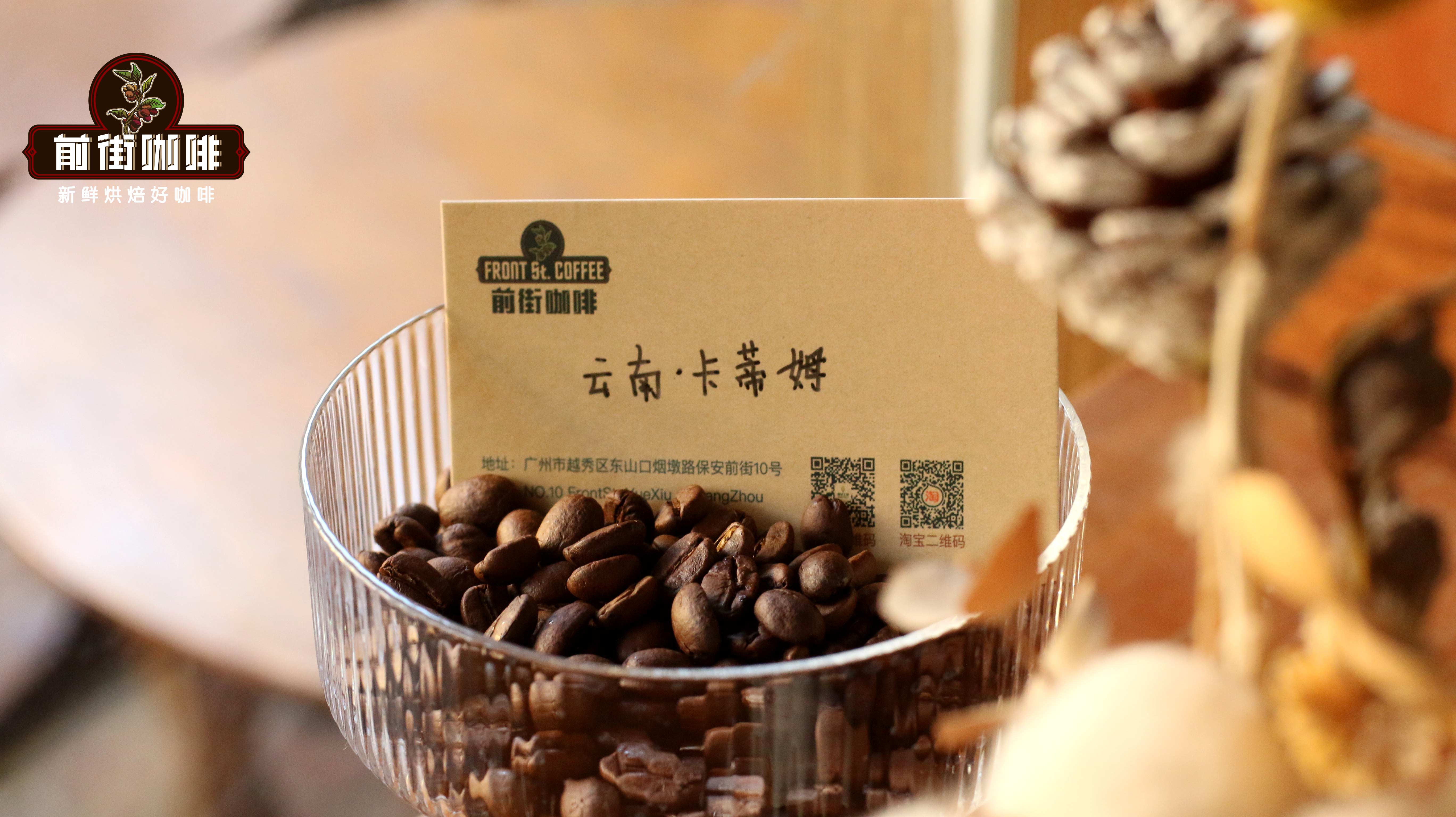
Yunnan Baoshan Small-Bean Coffee Brand Recommendations and a Detailed Guide to Brewing Lincang Sun-Dried Typica Medium-Roast Beans
Yunnan coffee has performed impressively in the international market in recent years, with producing regions such as Baoshan, Lincang, Pu'er, and Dehong each having their own distinctive characteristics. Starting from the terroir of the producing regions, this article reviews the cultivation distribution and varietal evolution of Yunnan Arabica coffee, with a focus on Front Street Coffee's own estate in Lincang and its sun-dried Typica. This bean uses traditional sun-drying processing and presents notes of dried fruit sweetness, plum acidity, and nuts, with a finish that carries brown sugar and black tea notes. The article also provides Hario V60 pour-over parameters: 90 degrees Celsius water temperature, 15 grams of coffee grounds, and a 1:15 coffee-to-water ratio, and shares practical suggestions on resting and grinding to help coffee enthusiasts fully appreciate the charm of Yunnan specialty coffee. [more…]
A Complete Analysis of Papua New Guinea Coffee Bean Flavor Grades: From Bird of Paradise Estate to Little Blue Mountain
Papua New Guinea has long been known as "Little Blue Mountain," and its coffee is celebrated for its gentle fruit acidity and balanced flavor. This article will systematically review the full picture of Papua New Guinea coffee across multiple dimensions, including growing conditions, historical origins, producing regions and estates, flavor expression, and the grading system. Front Street Coffee specially cupped a washed Typica from the Sigri Bird of Paradise Estate: it opens with a toasted bread sweetness and nutty aroma, with a unique spicy sweetness in the finish, making it rich yet balanced overall. If you prefer mellow coffee in the Blue Mountain style, this Front Street Little Blue Mountain may bring a different kind of surprise. [more…]